Month: July 2025

What is Black Water & Why is it Dangerous?

Water damage in homes or buildings can range from minor annoyances to major emergencies. One of the most serious types of water damage involves black water, a term that often raises concern due to the health risks and contamination it implies. Knowing what black water is, where it comes from, and how to respond to it can protect your health and property. This article breaks down the key facts about black water, the dangers it poses, and how to deal with it safely and effectively.

Common Causes of Black Water

Black water has been contaminated with human waste, pathogens, or harmful chemicals. This is known as a category 3 type of water damage and typically originates from sources such as:

Cause Description
Sewage backups Overflowing toilets or backed-up sewer lines introduce raw sewage, fecal matter, urine, and harmful microbes into the home.
Natural disaster flooding Floodwaters from storms or hurricanes can mix with agricultural runoff, chemicals, and sewage, creating a toxic mix.
Toilet overflows Any toilet overflow that includes solid human waste is classified as black water.
Septic tank failures Malfunctioning or backed-up septic systems can release untreated sewage into the home or yard.

It’s important to differentiate black water from gray water, which may come from sinks, showers, or washing machines and doesn’t typically contain harmful contaminants. Though gray water can become black water if left untreated or if it comes into contact with sewage or chemicals.

Health Risks Associated with Black Water

Exposure to black water carries serious health risks, especially if the water comes into direct contact with the skin, is ingested, or contaminates food preparation areas.
Some of the most common health hazards include:

Health Hazard Impact
Bacterial infections Includes E. coli, Salmonella, and Campylobacter, which can cause diarrhea, nausea, and vomiting.
Viral infections Hepatitis A, norovirus, and rotavirus may cause liver damage and gastrointestinal issues.
Parasitic infections Giardia and Cryptosporidium thrive in black water and can lead to severe intestinal problems.
Skin irritations and rashes Even brief contact can cause inflamed, itchy, or painful skin.
Respiratory issues Mold and mildew from black water can trigger asthma and allergic reactions.

Inhaling airborne pathogens from dried residues is also a common risk, especially in poorly ventilated spaces. Always wear protective gear if you’re near contaminated zones. Individuals with compromised immune systems, young children, and the elderly are especially vulnerable to the effects of black water contamination.

Dangers of Black Water

Beyond the direct health risks, black water poses serious environmental and structural dangers. These include:

Danger Description
Structural damage Weakens floors, walls, and foundations. Can cause rot, erosion, and crumbling materials.
Mold growth Creates a thriving environment for airborne mold spores, triggering respiratory issues.
Contamination of HVAC systems Spreads black water contaminants throughout the building, complicating cleanup.
Electrical hazards Can lead to shorts, sparks, or fires from water-damaged wiring.
Loss of valuables Can destroy furniture, documents, and personal items beyond repair.
Odor and staining Leaves persistent foul smells and unsightly stains long after cleanup.

Attempting to clean up black water without proper equipment and training can increase exposure and exacerbate these problems. Always call a professional like Restorerz.

Treatment and Disposal of Black Water

Dealing with black water is not a DIY task. It requires professional expertise, specialized equipment, and strict adherence to safety protocols. The treatment and disposal process typically involves several tasks, including:

Step Description
Assessment and containment Checking the extent of contamination and isolating affected areas to prevent the spread of pathogens.
Water extraction Using industrial pumps and vacuums, black water is quickly removed from the property.
Sanitization and disinfection Cleaning with EPA-approved disinfectants to kill bacteria, viruses, and mold spores.
Drying and dehumidification Using high-powered air movers and dehumidifiers to eliminate moisture and prevent mold growth.
Proper disposal Disposing of all contaminated materials in compliance with local and federal environmental regulations.

Possible Solutions and Prevention Measures

While it’s not always possible to prevent black water incidents — especially during natural disasters — there are steps homeowners can take to reduce risk and respond effectively:

  • Schedule routine plumbing inspections to catch potential sewer line problems early.
  • Install backflow valves to prevent sewage from backing up into your home during heavy rainfall or system overload.
  • Clear all gutters and drains to reduce the likelihood of basement flooding and water accumulation near your foundation.
  • Elevate appliances and electrical systems.
  • Install sealing foundations and sump pumps.
  • Create an emergency plan and know the signs of black water contamination and who to call for professional help.

Contact Restorerz 24/7 for Professional Water Damage Restoration

When you’re facing a black water emergency, time and expertise matter. At Restorerz Emergency Services, we specialize in 24/7 water damage restoration, including black water removal and sanitation. Our IICRC-certified technicians are trained to handle hazardous situations safely and effectively, using advanced equipment to restore your home or business to a clean, livable condition.

Whether it’s a sewage backup, storm flood, or plumbing disaster, Restorerz is here around the clock to respond quickly and minimize damage. We work directly with insurance providers to streamline your claim and ensure peace of mind throughout the restoration process.

Don’t risk your health or your property. Call Restorerz and let the professionals handle your water emergency.

Identifying Signs of Water Damage in Drywall

Water damage can impact any home, even on the driest summer day. If your home has been damaged by plumbing issues, leaky appliances, bad weather, or other causes of water damage, the Restorerz team offers professional water damage restoration to help your home look like new.

Discover common causes of drywall water damage, what happens when drywall gets wet, and drywall restoration techniques to repair your home.

Causes of Water Damage in Drywall

Plumbing issues, broken appliances, flooding, and poor ventilation are some of the most common causes of water-damaged drywall.

Cause Description
Plumbing leaks Small leaks can cause discoloration and mold growth, while burst pipes rapidly saturate drywall.
Appliance malfunctions Leaky dishwashers or washing machines can allow water to seep into nearby drywall and flooring.
Storms and weather Heavy rain or flooding can soak drywall, leading to serious water damage.
Lack of ventilation Poor airflow and excess moisture buildup can contribute to persistent wet drywall issues.

Common Areas Prone to Water Damage

While any room in your home can be impacted by water damage, these spaces are the most frequently affected.

Area Why It’s Prone to Water Damage
Bathrooms High moisture levels and poor ventilation can lead to mold growth and water damage.
Kitchens Multiple appliances and extensive plumbing increase the risk of leaks and burst pipes.
Laundry Rooms Water from washers, sinks, and humidity from dryers contribute to drywall moisture.
Attics Prone to leaks from roof or gutters, especially during heavy rains or exterior damage.
Basements Flooding and sewer issues can introduce water at the base of walls and floors.

How Does Water Damage in Drywall Impact Your Home?

Water-damaged drywall is not only an unsightly problem for your home but also a significant health and safety risk.

Structural risks

The biggest issue associated with water-damaged drywall is the potential for structural damage to your home. Severely waterlogged drywall may sag or collapse, damaging large sections of your home and furniture.

Mold and mildew

Drywall absorbs water, creating a perfect environment for mold growth. In addition to further damaging your drywall and creating an unpleasant look and smell, mold and mildew growth pose a health hazard and should be removed promptly before it spreads.

Common Signs of Water Damage in Drywall

If you suspect a leaky pipe may be hiding in your walls, keep watch for these common drywall signs of water damage in walls.

Sign Description
Discolored drywall Wet drywall shows yellow, beige, or brown patches, and possibly black or green mold within 48 hours.
Peeling or flaking paint Moisture causes paint to flake and wallpaper to bubble or peel from the wall.
Bad smells A musty odor near walls may indicate mold or mildew growth inside or behind drywall.

Steps To Address Water-Damaged Drywall

Repairing water-damaged drywall requires the proper knowledge and skills to ensure your home remains structurally sound and aesthetically appealing. While most water damage restoration is best left to professionals, a confident DIYer may tackle smaller drywall repairs.

Step one: Identify the leak

Some causes of wet drywall, such as leaks from small appliances, may be easy to identify and repair. Other issues, such as burst pipes, require the expertise of a professional plumber. If you’re unsure what’s causing the leak, contact a professional to avoid further damage to the area.

Step two: Remove damaged drywall

Use a utility knife or drywall saw to remove the section with visible damage. It’s usually best to remove a slightly larger area in case the water damage has spread.

Step three: Dry the area

Once you’ve repaired the leak and removed the damaged drywall, allow the whole area to dry, usually for at least 24 hours. Use a fan or a dehumidifier to speed up this step.

Step four: Repair the drywall

Repair the hole in the drywall with a new drywall sheet or patch, then secure it in place with screws or drywall clips while applying joint compound. Allow the compound to dry — the product you use should indicate the proper drying time.

Step five: Sand, paint, and finish

Sand down the new drywall for a flat, smooth finish. Apply a fresh coat of paint to match the existing wall. If the area is in a bathroom or other moisture-prone space, consider a water-resistant paint to reduce the potential for future damage.

Contact Restorerz 24/7 for Professional Water Damage Restoration

Safeguard your property and well-being by reaching out to Restorerz Emergency Services today for professional water damage restoration. Our team is available 24/7 to deliver prompt and reliable solutions. Contact us today to schedule professional water damage and drywall repairs in the greater LA area and Las Vegas.

White Mold vs Black Mold

White or black, mold growth of any kind is bad news, especially when it appears inside your home. At Restorerz, we provide professional mold remediation.

If you’ve recently experienced water damage in your home, smell a musty, mildewy scent, or see mold in or around your house, or just want to know more about white mold vs. black mold, call Restorerz Emergency Services for immediate assistance.

White Mold

White mold is a fungus with a hairy, slimy, or powdery look. It can be white, grey, or green, and lives in damp spaces, especially on porous substances like wood, insulation materials, fabric, carpet, or drywall.

How dangerous is white mold?

Exposure to any type of mold, especially in large quantities, is unhealthy for any person, but most types of white mold are considered non-toxic. People with mold allergies or sensitivities will experience stronger exposure symptoms than others, resulting in flu-like symptoms, allergic reactions, or asthma attacks.

Black Mold

The fungus known as black mold can also be green or black in color. It grows on wood products, drywall, paper, and other materials that contain cellulose. It requires a high moisture level to grow, so you’ll usually find it in areas with flood damage or dampness-prone rooms like bathrooms or kitchens.

Is black mold dangerous?

Black mold isn’t any more dangerous than other types of mold, although it doesn’t affect everybody in the same way. For some people, exposure to black mold causes mild symptoms like itchy, red eyes and nasal congestion, but for people with mold allergies or those with prolonged exposure, it can result in:

  • Rashes
  • Respiratory problems
  • Allergic reactions
  • Shortness of breath
  • Body pain
  • Mood changes
  • Tiredness
  • Coughing
  • Neurological conditions

The more mold present in the home, the more spores you inhale, and the worse the effects will be, especially if you have asthma or other lung conditions.

If you notice black mold growing in your home, contact a professional mold remediator soon. The more it spreads, the more damage it can do to your home and your health.

Key Differences Between White Mold and Black Mold

White and black mold have several key differences:

  • Black mold is slimy or fuzzy-looking and dark green or black, while “white” mold comes in a variety of textures and colors.
  • Black mold is more dangerous, with the potential to produce serious health problems.
  • White mold is more common than black mold.
  • White mold will grow on almost any surface, including plants, leather, or clothing, while black mold tends to thrive best on ultra-moist or porous surfaces.

Black vs White Mold Infographic

Prevention Strategies

The following are some simple mold prevention strategies LA County homeowners can use.

Reduce humidity in the home

Turn the exhaust fans in the kitchen and bathroom on, make sure the entire home has good circulation (including basements and crawl spaces), check that your vents are clear with good airflow, and install an air conditioner to pull moisture from the air.

Add mold inhibitors to the wall and ceiling paint

In LA, you can buy house paint and primer with mold inhibitors, or substances that naturally prevent mold growth.

Install an air filtration system

Although we can never fully remove mold from any environment, HEPA filters will remove 99.9% of all mold spores from the air, preventing the spread of mold in your home.

Regularly inspect the home for signs of mold

Check the corners, bathrooms, attics, areas around the windows, plumbing, and anywhere there’s been water leaks or damage in the past. Use your nose as well to see if you smell any musty, earthy, or “wet sock” smells.

Clean bathrooms regularly

Use mold-killing cleaning agents like baking soda, bleach, or vinegar, and proper ventilation to keep mold from thriving in your bathrooms.

Replace carpet with moisture-resistant flooring

Replacing porous carpets with a moisture-resistant alternative like vinyl flooring, cement, or tiles will reduce the chances of mold growth, especially in basements and garages.

Don’t bring mold home

Mold spores can hitch a ride on your clothes or in your hair. If you’ve been exposed to a moldy environment, brush off as much as you can outside, shower immediately, and wash your clothes in hot water, drying them thoroughly. If you can disinfect your clothing before washing and dry the items in direct sunlight, even better.

Handle flood damage quickly

Dispose of flood-damaged carpets and furniture, dry everything thoroughly, and clean all wet items well with disinfectant to kill off any mold growth before it starts. It’s safest to contact expert mold remediators after flooding to make sure there’s no growth in hidden areas.

Remediation and Professional Assistance

Just removing mold from where you can see it won’t get rid of the spores. It’ll keep coming back until your moisture problems are fixed, and all the contaminated flooring, walls, and property like furniture, rugs, etc, are gone.

If you have mold growth in your home, call Restorerz Emergency Services. We’ll send a mold remediation services team to your home ASAP to inspect the damage and determine how much work needs to be done.

Once we’ve come up with a remediation plan, we contain the affected areas and remove all contaminated materials, while avoiding unnecessary damage to your home. We treat any salvageable building materials to avoid waste, and after determining the area is completely mold-free, we’ll rebuild and restore the space.

Contact Restorerz 24/7 for Professional Mold Remediation

Restorerz is the top LA mold remediation company, using the latest technological advances for emergency restoration and mold removal. Our crew is made up of friendly, professional local remediators who understand the importance of getting the job done right the first time. They’ll work hard to remove all mold from your residence, clean up, and restore your home to its original state as quickly as possible.

We’re available 24 hours a day, 7 days a week, providing local expertise, excellent customer service, and a 100% satisfaction guarantee to our clients. If you’re concerned about mold growth in your home, let Restorerz’s expert team assess and address any mold issues with precision and care. Contact us today to schedule our professional mold inspection and remediation services.

Tips for Preventing Dryer Fires

As a homeowner, it’s important to understand how to prevent dryer fires to keep your home and family safe. Each year, an estimated 16,000 dryer fires occur, resulting in severe property damage, injury, and even death. Fortunately, preventing these fires is fairly straightforward. Discover how to avoid hazardous dryer fires through regular maintenance, cleaning, proper installation, and mindful use of your dryer.

Regular Maintenance and Cleaning

The best way to reduce the chances of your dryer catching fire is through proper maintenance and cleaning. One major cause of dryer fires is failing to empty the lint trap. A dirty lint trap can cause the dryer to overheat by blocking airflow, which can eventually result in the lint igniting. To avoid this, empty the lint trap before or after every load you run — this will also help your clothes dry faster.

Like all machines, your dryer requires regular maintenance to operate safely and efficiently. The dryer duct, which redirects dryer exhaust out of your home, can also become clogged with lint and debris over time. While it’s possible to clean the ducts yourself, it’s best to contact a professional to handle this task to ensure the complete removal of any obstructions.

Proper Installation and Venting

Another potential cause of dryer fires is improper installation of the dryer and its vent system. A dryer vent that doesn’t directly lead outside can quickly become a serious fire hazard. If the vent falls out of position, it can cause exhaust to fill crawl spaces, walls, and other areas of the home. Depending on the materials in the area, this can eventually cause a fire.

When installing a dryer, it’s also vital to install lint traps in the correct spaces along the exhaust vent, which helps prevent excessive buildup from blocking airflow and creating a fire hazard.

Safe Operation Practices

Beyond cleaning the lint trap and ensuring a good installation, it’s important to follow some best practices to protect yourself from the risk of a dryer fire. Some items should never be put in a dryer, such as towels or clothing that have been coated in cooking or motor oil. These oils can heat up enough to combust in your dryer, causing a dangerous, hard-to-control fire.

Other things to keep out of your dryer include:

  • Certain plastics
  • Most kinds of rubber
  • Many synthetic foams

Also, it’s important to avoid overloading your dryer. Filling the dryer to the brim with clothing, towels, and bedding may seem like a good way to shorten the task of doing laundry, but this actually contributes to the risk of a dryer fire. Overloaded drums can’t circulate the hot air properly, causing it to overheat and eventually burn the contents.

Watch for smoky or burning smells while running your dryer. If you notice this scent, stop the dryer immediately and investigate the cause. Clear the lint trap and make sure the drum isn’t overloaded before resuming. Also, be sure to pay attention if your clothes are coming out wet after a full dry cycle — this is a telltale sign of a blockage in the lint traps or exhaust vent, which means a high risk of a dryer fire.

We recommend running the dryer only when you’re home and awake. Leaving it running while you’re sleeping or outside the house dramatically raises your risk of a dryer fire becoming an out-of-control blaze.

Fire Safety Technology and Devices

When you know how dryer fires start, you’ll realize that prevention is actually straightforward. Investing in fire safety technology and devices helps reduce the likelihood of a laundry room inferno.

It’s a good idea to install a smoke detector near the dryer. Statistically, a fire is more likely to break out in the laundry room than almost anywhere else in the home, except the kitchen. Therefore, having a modern, working smoke detector in this area can be a literal lifesaver in case of a dryer fire. All homes should also have at least one working, up-to-date fire extinguisher in an accessible area.

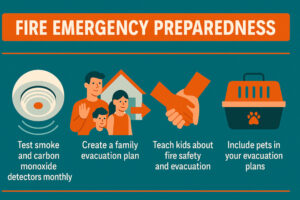
Fire Emergency Preparedness Infographic

Emergency Preparedness

To ensure you’re ready to respond promptly and properly to an emergency, such as a dryer fire, it’s important to maintain a few key safety practices and preventative measures.

Test your smoke and carbon monoxide detectors at least once a month so they’re ready to sound an alarm in case of a fire. Create an evacuation plan and ensure that your entire family understands what to do in the event of an emergency. Take the time to teach kids about fire safety and emergency preparedness, so they know how to exit the home in case of a fire and to never re-enter a burning building. Ensure your evacuation plan also accounts for any pets in your household.

What To Do After a Dryer Fire

In the event of a dryer fire, you’ll probably feel overwhelmed as you assess how to address the damage. Depending on the extent of the damage, you may only need a new dryer. However, in more severe cases, you might require home repairs and fire and smoke restoration services. Rather than trying to figure out the next steps on your own, consider contacting fire restoration experts for assistance.

Contact Restorerz for Fire Damage Services

Even a small fire can be a major disruption. If your family has recently experienced a fire in your home, you need a trusted restoration service you can rely on to remediate the damage and restore your space to its normal state. Restorerz is one of the foremost Los Angeles & Las Vegas restoration companies, helping countless families return to their normal day-to-day routines. Contact us today for comprehensive restoration services following a fire in your home.