
Month: July 2022

Expert Tips to Prevent a Flooded House

A flood can cause catastrophic damage and destruction in your home. It can happen anywhere but homes near oceans, lakes, rivers, and streams are more at risk. While you have no control over nature, you can protect your property to avoid or minimize the risk of a flooded house.

Flood-Proofing a House

Water damage can destroy your furnishings and cause structural issues, not to mention financial hardship. However, there are measures that can limit the potential for damage. Consider the following if you’re in a flood zone:

  • Elevate Electrical Components: Know the typical and predicted flood levels for your area and raise wiring, switches, sockets, and other electrical components at least a foot above that. Water and electricity don’t mix so you can prevent shock, electrocution, and explosions.
  • Secure Any Fuel Tanks: Anchor any fuel tank you store in your basement; if you have a propane tank, shut it off and unplug devices and appliances. If the tank isn’t secured, water can easily move it. The tank could rupture or the supply line can break, causing a messy and dangerous spill.
  • Make Your Basement Waterproof: Check for cracks and holes ahead of time and seal any openings you find. Apply a waterproof coating or add a waterproof lining if possible. Also, install a sump pump with battery backup, it will remove water even during a power failure.
  • Move Important Items: Move furniture, valuable items, and important documents to a higher floor when a flood alert is issued. Documents like insurance policies and birth certificates should be stored in a waterproof box.
  • Secure Lose Items: Trash cans, lawn furniture, and other items that aren’t secured can be easily swept away by fast-flowing water. Secure them or move these items higher up and/or into protected parts of your home.
  • Clean Gutters/Downspouts: If leaves and debris are blocking them, water cannot drain. Clear gutters and downspouts so they can divert water away, preventing it from accumulating around your basement and causing a flooded house.
  • Modify Your Home: Elevating your entire home may not be feasible. But you can modify your basement or lowest floor to allow flood waters to pass through. Openings in the foundation can be created to let water enter and exit while maintaining structural integrity. Water-resistant materials such as terrazzo tile or non-paper-faced gypsum board can help protect furnishings.
  • Place Sandbags Around Exposed Entryways: Sandbagging around basement windows or garage doors can keep water out. Effective techniques include building a wall of sandbags or arranging them in a pyramid. Traditional sandbags are made of burlap and sand. However, self-inflating barriers and other newer products can work, and they’re easier to store and position.

Do You Live in a Flood Zone?

The Federal Emergency Management Agency (FEMA) has set up flood zones to determine the risk to homes and communities. These can be identified on flood maps. High-risk zones are labeled A or V. Moderate to low-risk areas are labeled B, C, or X. If the risk level is unknown or the area hasn’t been fully analyzed, it is labeled D. Your mortgage lender will require flood insurance if you live in a high-risk area.
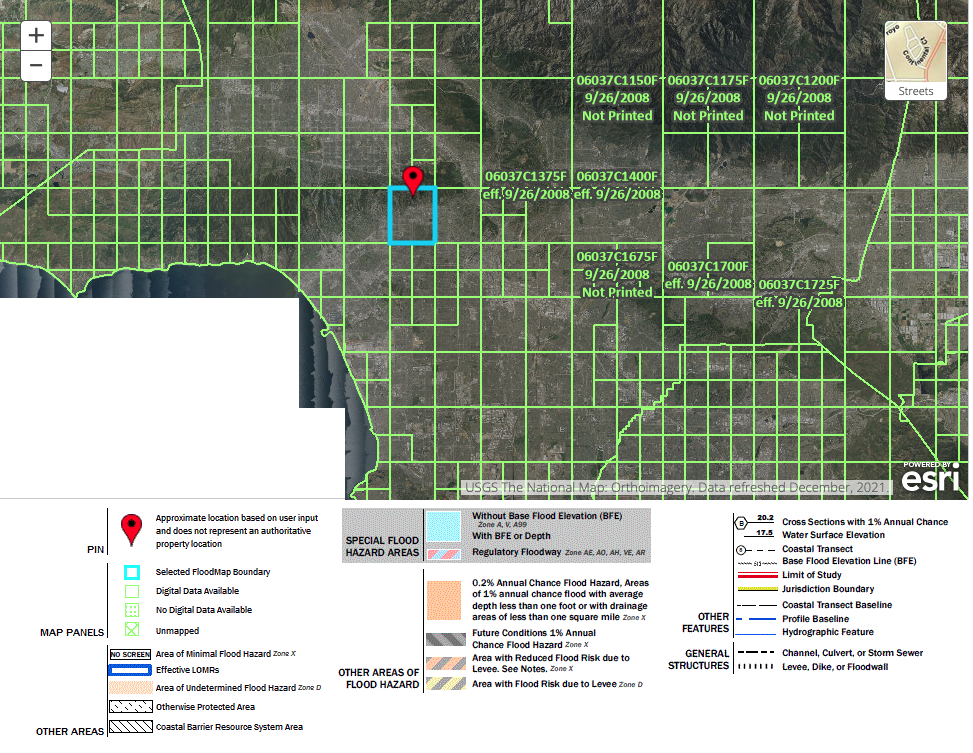
Restorerz - The National Map

Be Prepared to Act If a Flood Occurs

Extreme weather events are becoming more common, and it may not always be possible to completely prevent a flood. But you can take steps to reduce the risk of major damage or injury. If a flood is imminent:

  • Turn off the electricity at the main breaker.
  • Shut off the main valves for water and gas.
  • Stock supplies like canned food, water, and flashlights.
  • Create an evacuation plan, an escape route, and backup routes.
  • Prep your home/family as soon as a flood alert is issued.

If the situation is extreme, evacuate and get your family to higher ground, and have your emergency kit ready. It should have at least three days’ worth of water and food plus medications, cellphone chargers, and other essential supplies.

When Flood Damage Occurs, Contact Restorerz

A leading emergency services company in Los Angeles, we provide complete flood damage cleanup that includes water extraction, salvaging your belongings, structural drying, and debris removal. We even help with your insurance claim. Acting quickly helps prevent hazards such as mold, structural failures, and exposure to contaminated floodwater. If you have a flooded house, request service online or call 323-826-5977.

How to Get the Smoke Smell Out of Your House

Smoke, whether it comes from flames in your home, cigarettes, an appliance malfunction, an electrical problem, or wildfire, can leave behind odors that are hard to get rid of. For most people, these smells are very unpleasant. They can cause irritation and leave one with a headache or nausea. All the while, microscopic smoke particles can cling to walls, floors, furniture, clothing, books, and just about any other surface. But here we’ll discuss how to get the smoke smell out of your house for good.

 General Cleaning Tips

At the onset of smoke odors, open all windows and doors to air out your house. This will let smoke particles escape and can help kill bacteria and other germs. Turn on any fan you have. This includes exhaust fans in the kitchen and bathroom; if you have box fans in windows, face them outward to allow cross-ventilation from outside.

Now comes the fun part—physically cleaning out your house. This can be a tedious, time-consuming process, but well worth it in the long run. These are some important steps to take:

  • Vacuum: Start with the carpet and move on to rugs, curtains, floors, and mattresses. When vacuuming furniture, make sure to get under cushions and underneath the furniture itself. Also, sweep and mop wherever odors are coming from or where you find soot and dust. If vacuuming doesn’t remove smoke smells from carpets, hire a steam cleaning service.
  • Wash/Disinfect Interior Walls and Hard Surfaces: Mild soap is recommended, but depending on the item and material, follow the manufacturer’s guidelines for cleaning products and solutions to use. Thoroughly clean the inside of closets as well as cabinets and drawers. Be sure to wash and dust household items, no matter how small.
  • Wash and Scrub Exterior Surfaces: Smoke particles stick to outside surfaces just as easily, and can migrate inside. Thoroughly wash all exterior walls, walks, decks, windows, deck screens, and walking surfaces.
  • Use Deodorizers: Deodorizing sprays can be used for upholstery and window treatments made of fabric. However, avoid using odor-masking sprays as they won’t neutralize the particles.
  • Clean Up Aerial Fire Retardant/Firefighting Foam: Use a mild detergent to scrub any residue present on your house or vehicle. The detergent should dilute dried residue so you can rinse it away; rinse with clean water and, if necessary, follow up with pressure washing.
  • Schedule Professional HVAC Cleaning: Smoke residue, soot, and ash can easily travel through ductwork and into heating and cooling equipment. Contact an HVAC professional to change the filters and use the right tools and machinery to decontaminate the system.

Effective Smoke Odor Cleaning Solutions

There are a few readily available options for eliminating smoke odors, including:

Baking Soda

Sodium bicarbonate absorbs odors effectively, despite being odorless itself. To use baking soda, sprinkle it on the affected surface and let it sit for 20 minutes or more. For rugs, carpets, sofas, chairs, and other upholstery-covered furniture, wait at least two hours or let it sit overnight. In a car, let the baking soda sit for at least 24 hours.

Baking soda will also work for clothing, books, and decorative items. You wouldn’t put these in a washing machine or use other washing methods. Rather, place them in a large plastic trash bag and pour in a ½ cup of baking soda; then tie the bag closed. Wait about 8 hours and then take out each item, shaking off the powder as you go.

Vinegar

For walls, ceilings, and kitchen countertops and cabinets, just spread the vinegar around and let it dry. Vinegar and baking soda can be combined to spray onto fabrics, such as carpets and curtains. To deodorize bedding, slipcovers, towels, linens, etc., add some apple cider vinegar to laundry detergent. White vinegar is effective for washable walls, floors, and other surfaces.

Another option is to place bowls of vinegar around smoke-damaged rooms for a few days. For some, the vinegar odor is too much. Mixing some lavender oil with vinegar can reduce the intensity. For faster deodorizing, place some vinegar in a saucepan and let it simmer on the stove for a couple of hours.

Activated Charcoal

The charcoal you use to barbeque can absorb smoky odors. Place it in bowls around the house. The carbon molecules and porosity of activated charcoal allow it to absorb odors. Better yet, activated charcoal products are readily available at most home improvement stores.

Ozone Generators

Although not the cheapest option, an ozone generator can eliminate smoke odor so long as the particles haven’t permeated carpets and furnishings. But even then, it can be reduced somewhat.

Air Purifiers

An air purifier, especially one with activated carbon and a high-efficiency particulate air (HEPA) filter, can eliminate odors from heavy smoke, such as that from wildfires. Air purifiers are designed to remove particulate matter. However, they’re not as effective with gaseous pollutants as those in cigarette smoke.

Schedule Professional Smoke Remediation

Severe smoke damage and acrid odors may require additional care only a smoke remediation professional can provide. At Restorerz, our technicians know how to get the smoke smell out of your house, no matter what is causing it. Smoke damage occurs for many reasons around Los Angeles. Professional smoke removal can avoid long-term smells, stains, and damage, and we can work with your insurance company as well. Request service online or call 323-402-6165 to receive smoke and odor removal assistance.